

Venus-Moon Conjunction, iPhone Bode's Galaxy & Cigar Galaxy
Posted: 19 April 2026
|
Open: Saturday, 18 April 2026, 1753 MST Temperature: 93°F |
Session: 2128 Conditions: Clear |
Equipment:
12" f/8 LX600 w/StarLock
2" 24mm UWA eyepiece
1.25" 26mm eyepiece
1.25" 40mm eyepiece
Camera:
iPhone 15 Pro Max
D850 DSLR
1802 MST: LX600 ON, StarLock OFF, High Precision OFF.
Viewed Venus, 102X.
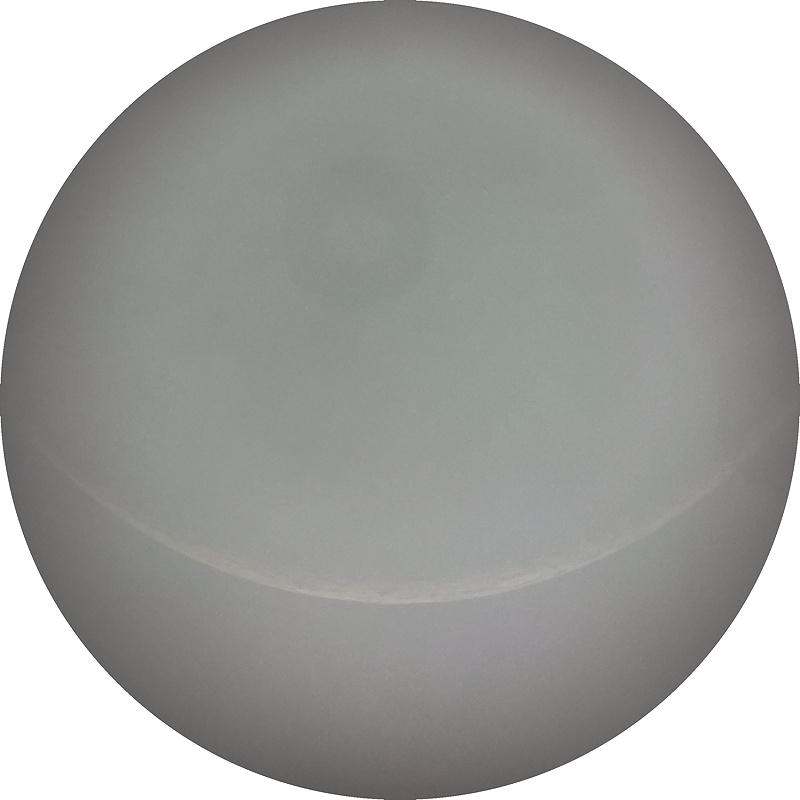
1806 MST: Viewed the Moon, 102X and 94X. The thin crescent Moon, 37.5 hours old, was barely visible in the bright sky.
Attached the LiDAR Cover on the iPhone 15 Pro Max and mounted the phone on the 26mm eyepiece. 1812 MST: Took this afocal 94X image using NightCap Camera (ISO 64, 1/12000sec, 1X lens).
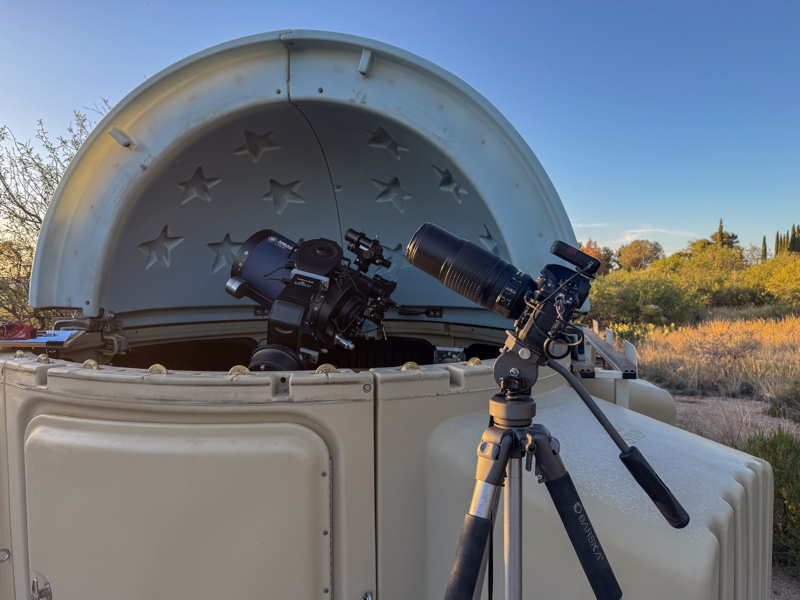
1816 MST: Relaxed on the observatory patio bench. I also took this photo of the D850 DSLR camera with a 70-300mm lens I would use for Venus-Moon conjunction photos.
1857 MST: Sunset.
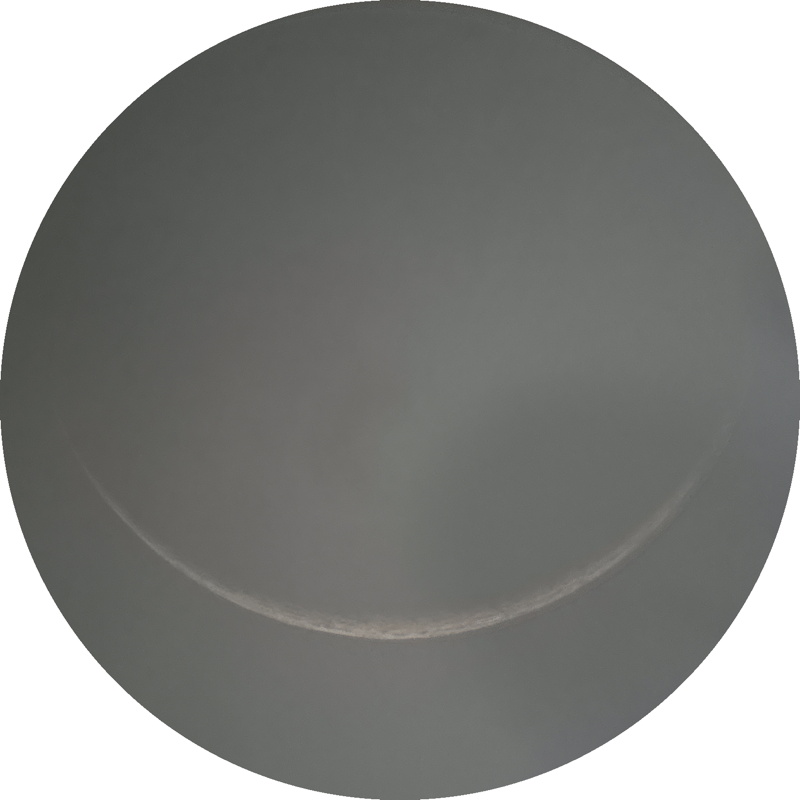
Back in the observatory I viewed the Moon, 61X. I needed to reduce the magnification to view the entire lunar disk later. Mounted the iPhone on the 40mm eyepiece and took this afocal 61X image of the Moon using NightCap Camera (ISO 55, 1/3000sec, 1X lens).
1913-23 MST: Back to the bench while waiting for the sky to become darker.
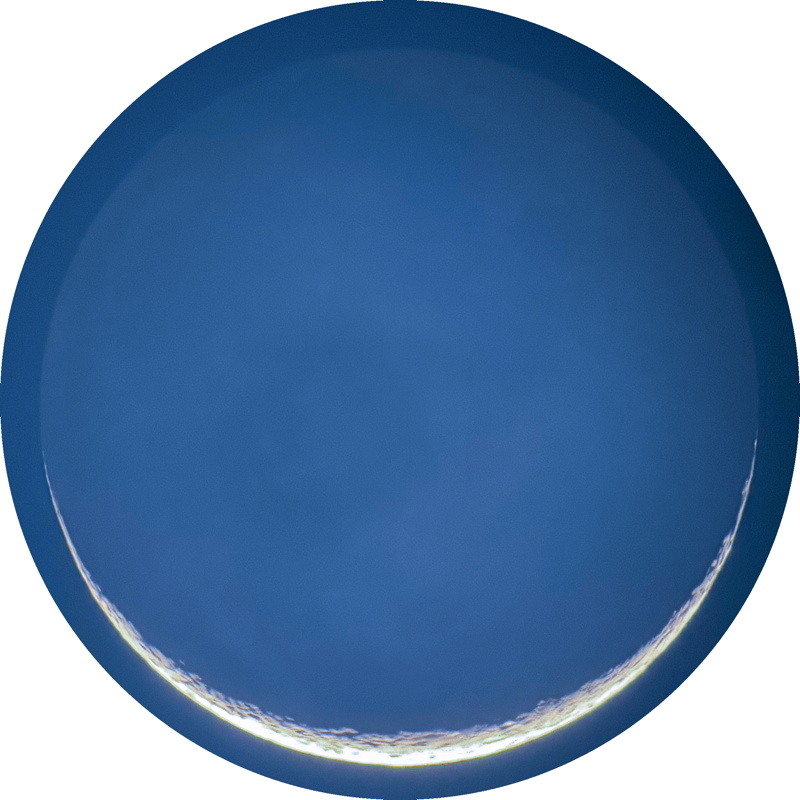
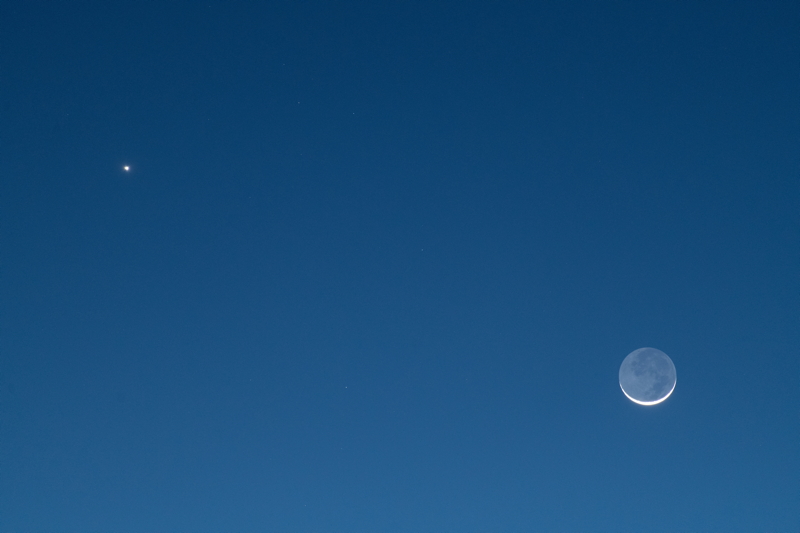
1929 MST: Took this afocal 61X image of the Moon using NightCap Camera (ISO 1000, 1/30sec, 1X lens) showing some Earthshine.
1938 MST: D850 DSLR photograph of Venus and the Moon separated by 5°38' (f/5.6, 1/2sec, ISO 1600, FL 260mm).
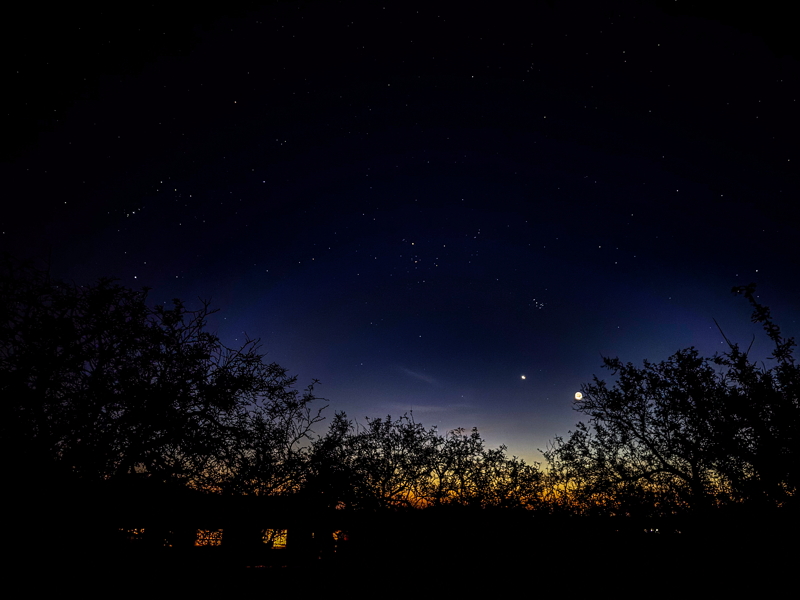
1952 MST: While relaxing on the bench I took this iPhone photo showing Orion (left), Taurus (center), the Pleiades, Venus, and the Moon using the Camera app (Night Mode, 3 seconds, 1X lens).
2008 MST: Returned to inside the observatory and began preparing to image two galaxies.
2011 MST: High Precision ON.
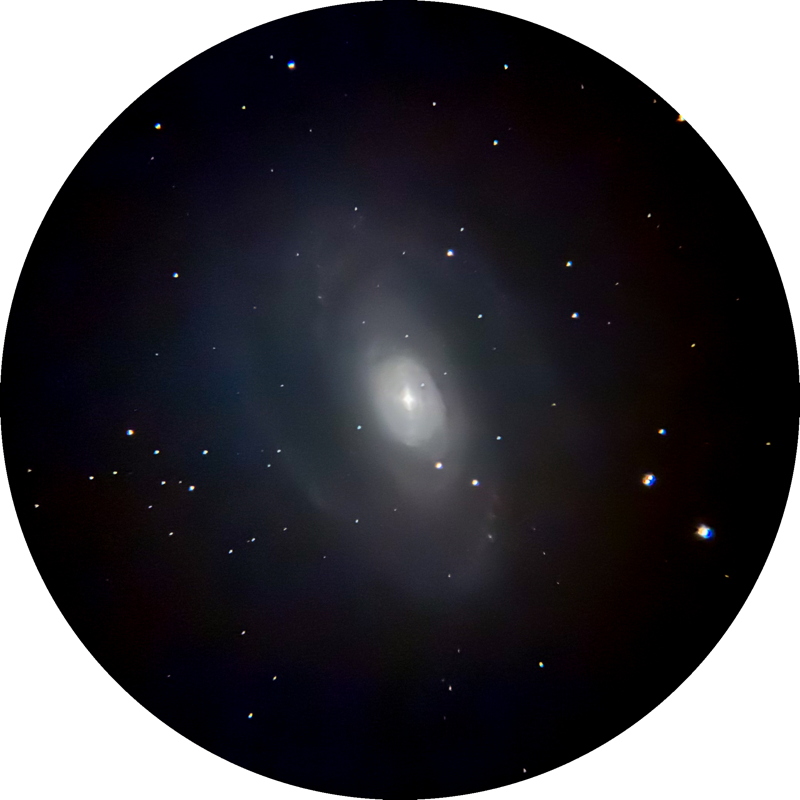
Viewed M81 (Bode's Galaxy), 102X and 94X.
Mounted the phone on the 26mm eyepiece.
2019 MST: StarLock ON.
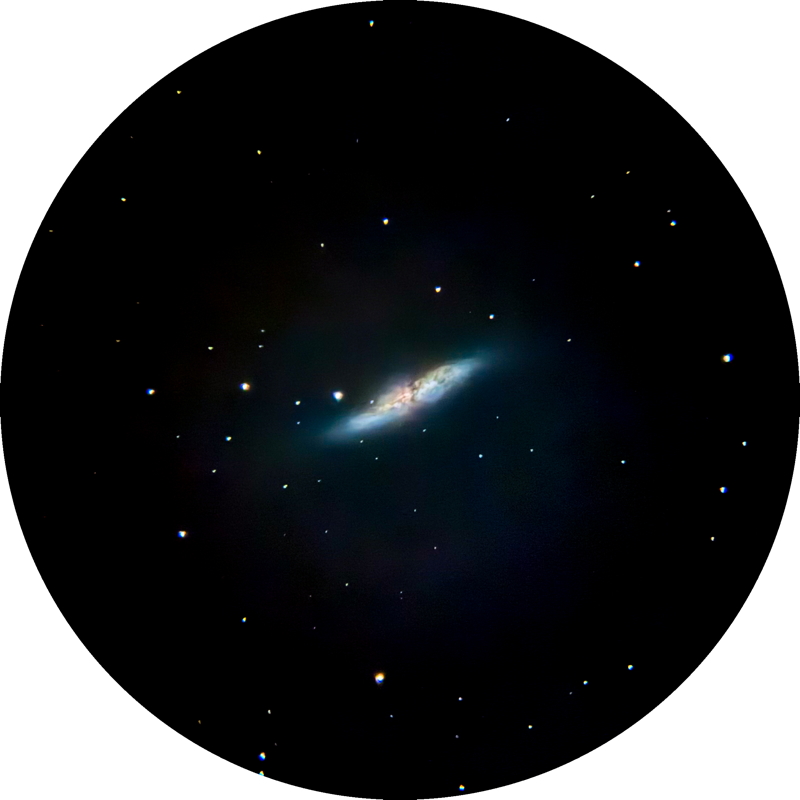
Took these StarLock autoguided iPhone afocal 94X images using the Camera app (Night Mode, 30 seconds, 1X lens).
M81 (Bode's Galaxy)
M82 (Cigar Galaxy)
2027 MST: StarLock OFF.
Viewed Jupiter and the four Galilean Moons, 94X and 102X.
2035 MST: LX600 OFF.
2044 MST: Took a Sky Quality reading and reported the result to Globe at Night.
|
Close: Saturday, 18 April 2026, 2048 MST Temperature: 67°F |
Session Length: 2h 55m Conditions: Mostly clear, SQM 20.88 |
Comments are welcome using Email. Please read the Email Etiquette guidance.
Cassiopeia Observatory Home Page

Copyright ©2026 Michael L. Weasner / mweasner@mac.com.
URL = http://www.weasner.com/co/Reports/2026/04/19/index.html